
PTFE Coating
 Core Manufacturing Technologies & Services
LEEDO Technology provides PTFE (Polytetrafluoroethylene) functional coating services. Combining low friction, non-stick performance, chemical corrosion resistance, and electrical insulation, PTFE coatings help improve equipment reliability, reduce wear, and extend component service life. They are widely used in semiconductor equipment, automation systems, food processing equipment, and precision industrial applications.
Main Categories & Technical Specifications
PTFE coatings can be customized according to operating environment and functional requirements, providing a variety of industrial-grade surface solutions.
Material Compatibility
PTFE coatings can be applied to various metal substrates. With proper pretreatment, stable adhesion and long-term durability can be achieved.

Surface Finish & Appearance Options
PTFE coatings offer various appearance and functional combinations that can be flexibly selected according to design needs and application environments.
-
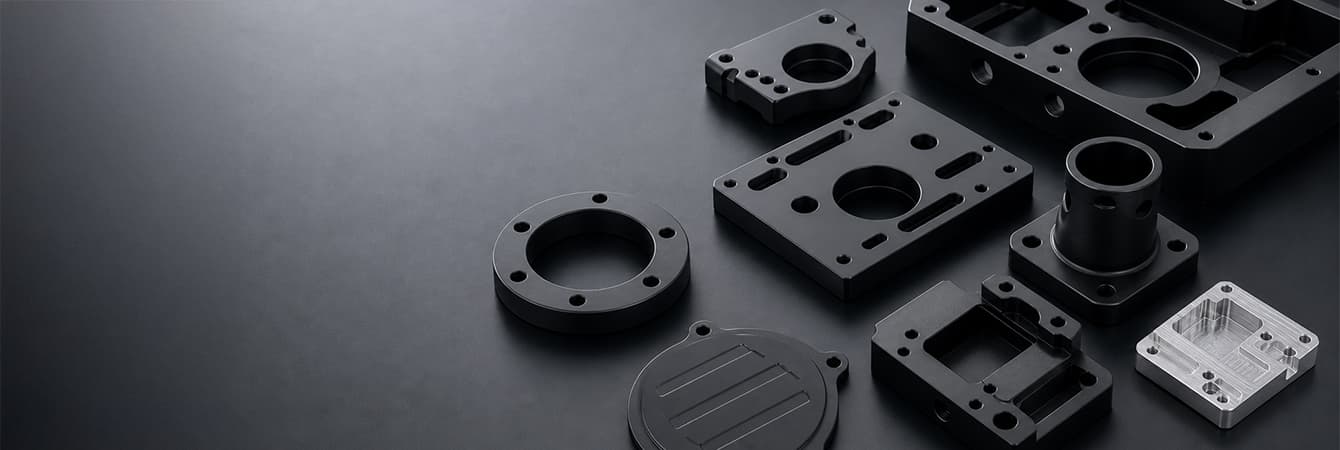
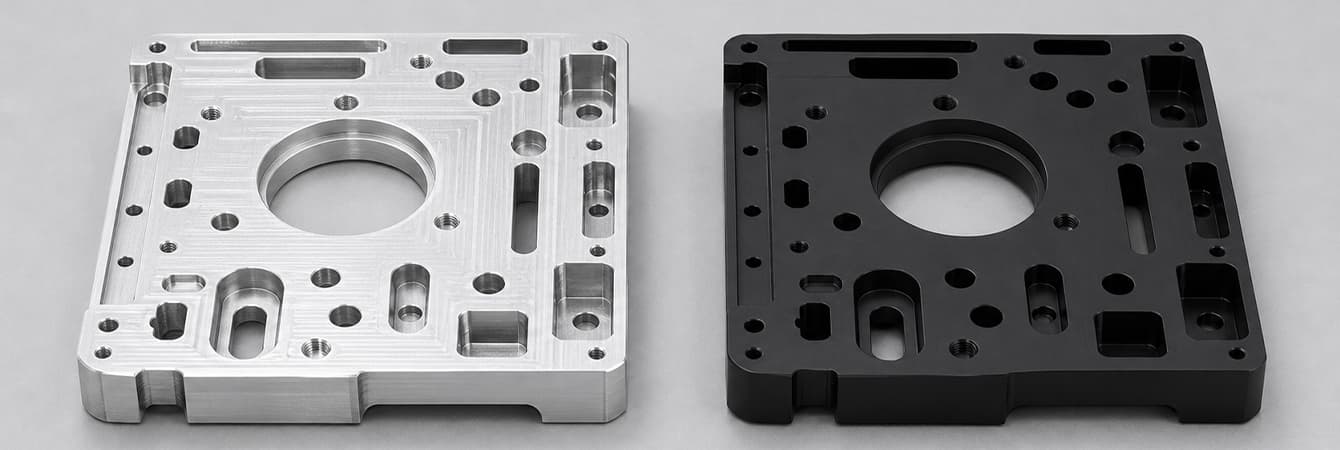
Black PTFE CoatingA dark appearance suitable for industrial equipment and precision machinery, combining clean aesthetics with functional consistency.
-
Gray PTFE CoatingA neutral gray tone suitable for most industrial settings, offering a low-profile appearance and making coating condition and wear easier to identify.
-
Non-Stick SurfaceExtremely low surface energy minimizes material residue and improves cleaning efficiency, suitable for food and pharmaceutical contact surfaces.
-
Low-Friction SurfaceA smooth and fine surface significantly reduces contact resistance and extends the service life of sliding components.
-
Chemical-Resistant CoatingResistant to various acid and alkali solutions and organic solvents, suitable for highly corrosive industrial environments.
Design & Manufacturing Considerations
LEEDO Technology provides complete PTFE coating application consulting, from requirement evaluation to process optimization, helping customers identify the best surface protection solution.
-
Non-Stick Requirement EvaluationSuitable PTFE formulations and coating thickness specifications are recommended according to contact material characteristics, cleaning frequency, and operating environment.
-
Low-Friction Application DesignFor sliding, reciprocating, or rotating mechanisms, contact pressure and speed are analyzed to optimize friction coefficient design.
-
Chemical Resistance RequirementsCompatibility is evaluated according to the solvents, acid or alkali types, and concentrations used by the customer to ensure long-term coating stability.
-
High-Temperature ApplicationsPTFE can withstand continuous operating temperatures up to 260°C, making it suitable for high-temperature engineering environments such as baking, painting, and curing ovens.
-
Sliding Mechanism OptimizationCoating thickness control and surface roughness requirements are integrated to optimize part fit tolerances and improve overall mechanism performance.
-
Maintenance Cycle Extension PlanningCoating protection reduces equipment wear and adhesion, extends maintenance intervals, and effectively lowers maintenance costs.
Industrial Applications
PTFE coatings are widely used in industrial fields with strict requirements for non-stick performance, low friction, and chemical resistance. LEEDO Technology has served multiple key industries.


