
Micro Arc Oxidation (MAO / PEO)
 Core Manufacturing Technologies & Services
LEEDO Technology provides micro arc oxidation (MAO / PEO) surface treatment services. Through a high-voltage plasma discharge process, an integrated ceramic oxide layer is formed in situ on the metal surface, offering high hardness, excellent electrical insulation, and outstanding corrosion resistance for high-performance applications such as aerospace, semiconductors, and electric vehicles.
Main Categories & Technical Specifications
LEEDO Technology provides a range of micro arc oxidation (MAO / PEO) solutions for aluminum and magnesium alloys. Coating thickness can reach 5–100μm, with ceramic oxide layer properties precisely adjusted according to application requirements for insulation, wear resistance, corrosion resistance, and thermal stability.
Material Compatibility
Micro arc oxidation is suitable for a wide range of lightweight metals, including aluminum alloys, magnesium alloys, and titanium alloys. Each material can form a dense ceramic oxide layer.

Surface Finish & Appearance Options
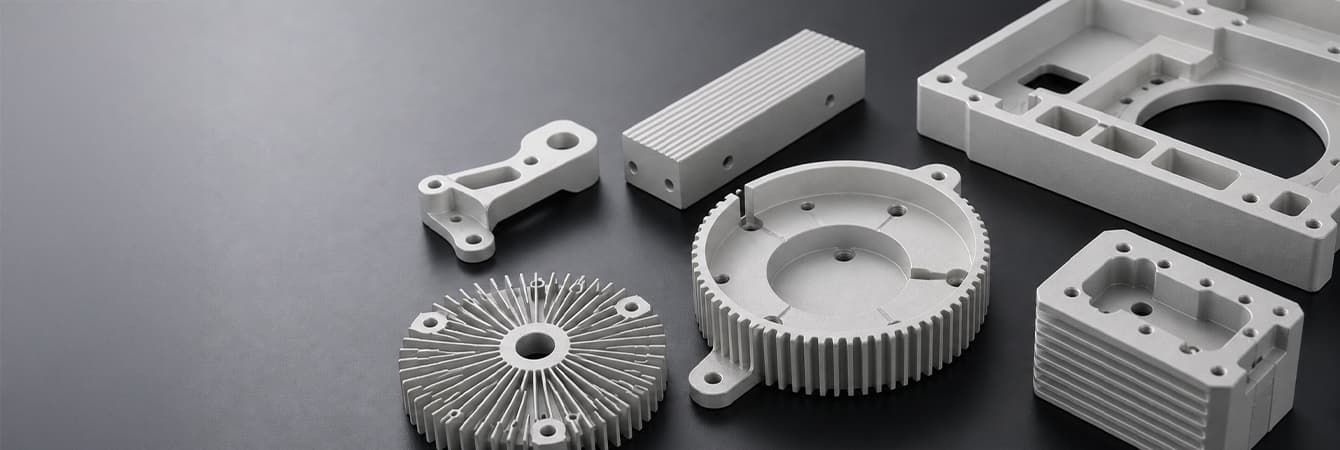
MAO ceramic layers are primarily functional and are available in white, gray, and black appearances, making them suitable for high-performance industrial applications.
-
White Ceramic LayerA typical MAO appearance with uniform surface micropores, suitable for electronic equipment components requiring high electrical insulation.
-
Gray Ceramic LayerAn industrial gray appearance suitable for automation equipment and structural parts used in semiconductor process equipment.
-
Black MAOA dark ceramic layer combining aesthetics and high hardness, suitable for high-end industrial and consumer product applications.
-
High-Insulation CoatingSpecial formulations optimize electrical insulation for high-power electronic modules and power equipment.
-
High-Insulation Ceramic LayerThe ceramic oxide layer provides excellent electrical insulation for high-power electronic modules, battery systems, motors, and power equipment.
-
Coating Thickness 5–100μmCoating thickness can be specified according to insulation level or wear resistance requirements, offering high design flexibility.
Design & Manufacturing Considerations
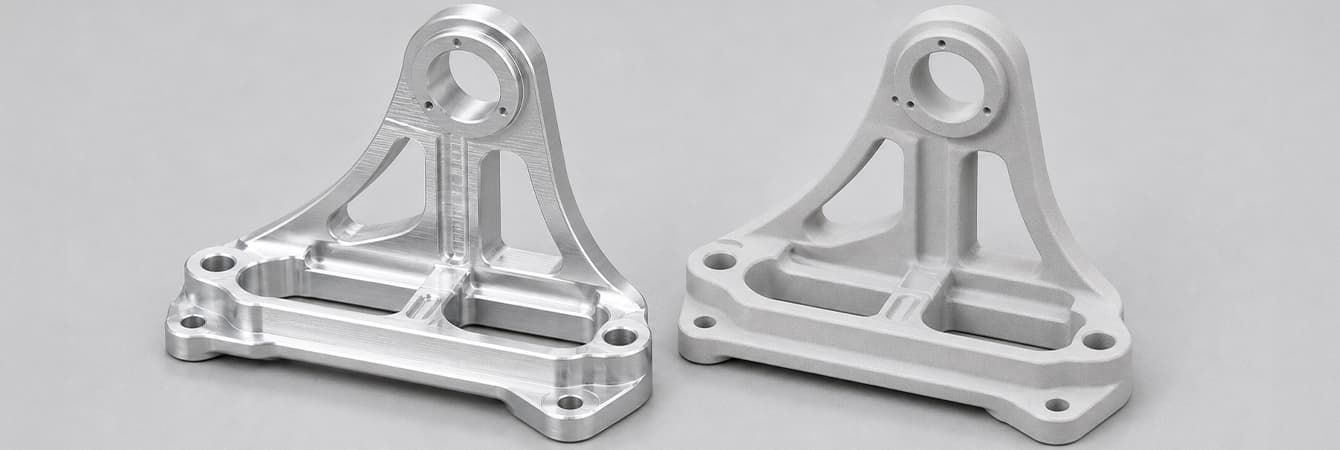
MAO process parameters significantly affect the final ceramic layer properties. The following factors should be evaluated during the early design stage to ensure that process specifications meet application requirements.
-
Insulation Performance Requirement EvaluationPlan ceramic layer thickness and formulation according to voltage level and insulation specifications.
-
Thermal Management Requirement AnalysisEvaluate the influence of the ceramic layer on heat dissipation paths to ensure that thermal resistance meets system design requirements.
-
Ceramic Layer Thickness PlanningCoating thickness affects insulation, wear resistance, and dimensions, so corresponding tolerances should be reserved during the design stage.
-
High-Hardness Surface DesignSelect the most suitable MAO process formulation according to wear conditions and stress requirements.
-
Lightweight Structural DesignMAO does not significantly increase substrate weight, making it suitable for weight-sensitive applications such as aerospace and electric vehicles.
-
Integration of Corrosion and Wear Resistance RequirementsCorrosion resistance and wear resistance can be optimized simultaneously according to the application environment, reducing the need for secondary treatment.
Industrial Applications
Micro arc oxidation is suitable for precision industries with high requirements for electrical insulation, wear resistance, and corrosion resistance at the same time.


