
Precision Sandblasting
 Core Manufacturing Technologies & Services
LEEDO Technology provides precision sandblasting surface treatment services. Through high-pressure media blasting, surface roughness can be precisely controlled to improve appearance, enhance subsequent coating adhesion, or serve as a pretreatment process before anodizing and other surface treatments.
Main Categories & Technical Specifications
Different blasting media and particle sizes are selected according to material characteristics and application requirements, allowing precise control of surface effects.
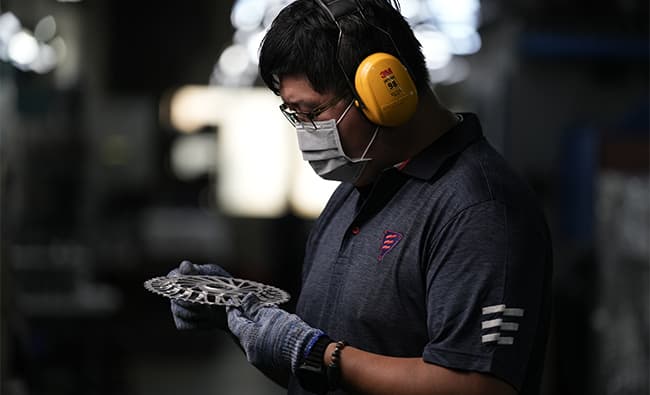
Material Compatibility
Applicable to various metal materials. Suitable blasting media are selected according to material characteristics to ensure optimal sandblasting results without damaging the workpiece.

Surface Finish & Appearance Options
Multiple sand-texture levels, from fine to coarse, can be flexibly selected according to product appearance design or downstream process requirements.

-
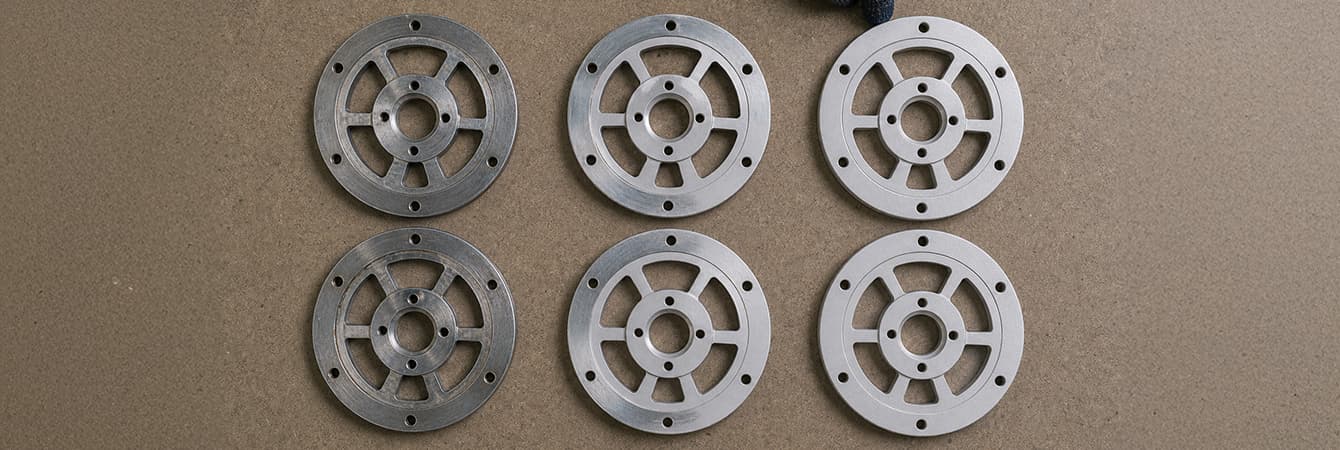
Fine SandblastingLow surface roughness with a delicate and soft appearance, suitable for consumer electronics and precision instrument exterior parts.
-
Medium SandblastingModerate roughness that balances appearance quality and coating adhesion, making it the most common option.
-
Coarse SandblastingA high-roughness surface that strengthens mechanical interlocking, suitable for coatings or bonding applications requiring high adhesion strength.
-
Uniform Matte FinishPrecise control of sandblasting parameters ensures consistent appearance between batches, suitable for mass-production quality control.
-
Pre-Anodizing TreatmentDesigned specifically as a pretreatment before anodizing, removing surface defects and homogenizing the surface to ensure post-anodizing appearance quality.
Design & Manufacturing Considerations
Sandblasting has a major impact on downstream processes and final appearance. Surface roughness, subsequent surface treatment, appearance consistency, and adhesion requirements should be evaluated in advance.
-
Surface Roughness Requirement EvaluationTarget Ra values and tolerance ranges should be defined in advance according to downstream process or appearance requirements.
-
Pre-Anodizing Surface Preparation PlanningBlasting media size and pressure settings should be confirmed to ensure uniform appearance after anodizing without texture differences.
-
Surface Texture Consistency ControlMedia quality and equipment parameters are strictly controlled during mass production to avoid batch-to-batch appearance variation.
-
Appearance Homogenization DesignFor complex-shaped parts, sandblasting blind spots should be evaluated to ensure uniform treatment across the entire surface.
-
Gloss and Matte Effect AdjustmentFinal surface gloss can be precisely adjusted through combinations of media particle size and blasting pressure.
-
Surface Adhesion Enhancement PlanningFor subsequent coating or bonding applications, optimal sandblasting conditions are selected to strengthen interface bonding.
Industrial Applications
Sandblasting is widely used across various industries. Whether used as a final appearance treatment or as a pretreatment before downstream processes, it improves product texture and process stability.


